
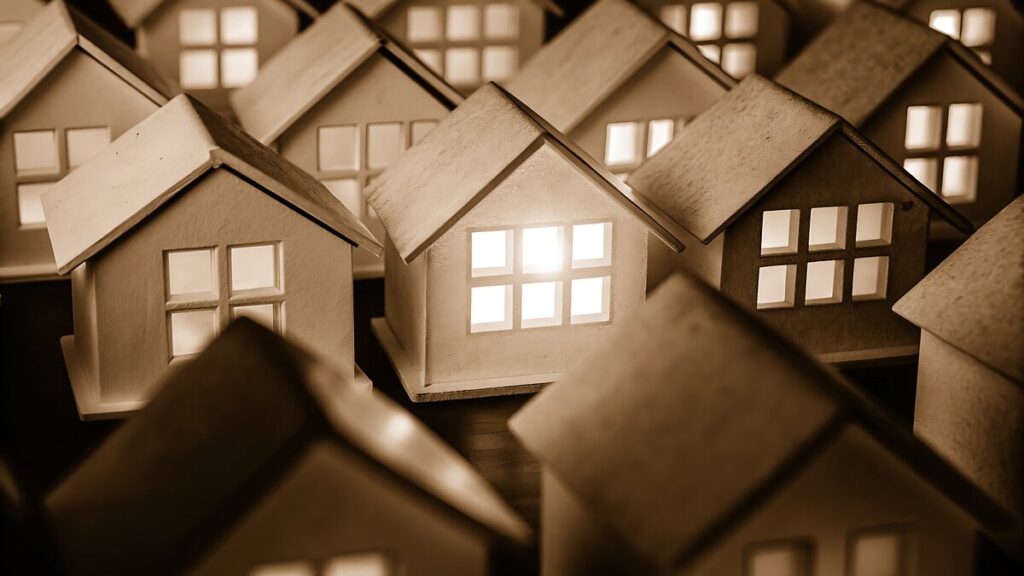
Nestled just north of the Coral Ridge Country Club, North Golf Estates stands as one of Fort Lauderdale’s most charming and historically rich neighborhoods. Framed by quiet, tree-lined avenues and a close-knit community spirit, North Golf Estates is a place where the past and present meet — giving residents and visitors a unique sense of belonging that distinguishes it from other neighborhoods in the city.
Origins: From Open Greens to Neighborhood Dream
The history of North Golf Estates is closely intertwined with the post-World War II boom that laid the foundation for much of modern Fort Lauderdale. In the late 1950s and early 1960s, as development flourished in Broward County, land north of the then-newly established Coral Ridge Country Club became an attractive prospect for new residential communities.
What set this area apart was its proximity to the beautifully landscaped golf greens of the country club — hence the name “North Golf Estates.” Developers envisioned a neighborhood that offered the tranquility of lush, open spaces alongside the sophistication associated with golfing culture. The marketing pitch was clear: suburban serenity only minutes from the bustling Las Olas Boulevard and Atlantic beaches.
The Name: A Nod to Leisure and Location
North Golf Estates derived its name in homage to the adjacent Coral Ridge Country Club’s sweeping fairways, which have always defined the neighborhood’s southern border. Homeowners on streets such as NE 36th Street, NE 37th Street, and NE 38th Street could look out their backyards onto meticulously kept greens, making the “Golf Estates” title both literal and aspirational. Over time, the community embraced the moniker, proud of their unique vantage point overlooking one of Fort Lauderdale’s most esteemed golf courses.
Key Historical Milestones
Over the decades, North Golf Estates has witnessed several key milestones that have shaped its character:
- 1960s: First Homes and Development
The first homes appeared along NE 29th Avenue and NE 28th Avenue, showcasing classic mid-century modern Florida architecture. Spacious lots and wide sidewalks gave families room to grow and stroll beneath mature oaks and tropical palms.
- 1970s: Community Growth and Identity
The 1970s brought an influx of families who were drawn to the safety and stability of the neighborhood. Civic organizations began to form, and annual gatherings such as block parties and holiday parades became local traditions.
- 1980s–1990s: Preservation and Modernization
As Fort Lauderdale’s population surged, North Golf Estates residents focused on preserving the neighborhood’s character. Many original homes were updated, and neighborhood associations lobbied successfully to keep traffic minimal and streets quiet.
- 2000s–Present: Revitalization and Diversity
The 21st century ushered in a wave of revitalization; new generations of families have renovated classic homes while respecting the original architectural style. This balance of heritage and renewal continues to define North Golf Estates today.
Notable Landmarks and Institutions
While North Golf Estates is predominantly residential, its proximity to landmarks gives it special appeal:
- Coral Ridge Country Club
Though not technically within its borders, the Coral Ridge Country Club is intrinsic to the neighborhood. Its rolling greens and vibrant social scene have long provided a shared backyard for many residents. The club, designed by famed golf architect Robert Trent Jones, Sr. in 1954, remains a regional centerpiece.
- First Presbyterian Church of Fort Lauderdale – Coral Ridge Campus
Located nearby, this beautiful church boasts stunning architecture and plays host to community events that draw from North Golf Estates’ residents.
- Local Parks
While the neighborhood is compact, the nearby Bay View Park and Hugh Taylor Birch State Park provide ample green space for recreation and family outings.
- Charming Streetscapes
The neighborhood’s signature streets — NE 28th Avenue, NE 29th Avenue, and NE 30th Place, to name a few — are characterized by their lush landscaping and a distinctive canopy of mature hardwoods and swaying palms.
The Evolution of a Community
What truly makes North Golf Estates special is its sense of evolution balanced with enduring tradition. Original residents who moved here decades ago still greet newcomers warmly, sharing stories from a time when children played freely in the streets and neighbors always lent a hand.
Homes here range from lovingly maintained mid-century classics to thoughtfully modernized dwellings. There is an unspoken agreement among residents to preserve the generous setbacks and open lawns that define the neighborhood character.
The area has also embraced a more diverse and dynamic population over the past 20 years. Today, families, professionals, and retirees from various backgrounds find common ground in their love for quiet streets, proximity to the Intracoastal Waterway, and easy access to local markets, restaurants, and top-rated schools like Bayview Elementary just a short drive away.
Remembering and Preserving Heritage
Local initiatives, often led by longtime residents, ensure that North Golf Estates’ unique past isn’t forgotten. Neighborhood newsletters occasionally highlight oral histories and vintage photographs, and the annual neighborhood picnic (usually hosted in a resident’s backyard or at Bay View Park) offers opportunities to reminisce and strengthen community bonds.
What Makes North Golf Estates Stand Out
- Location — minutes from the beach, downtown attractions, and the lively shops of Galt Ocean Mile
- Community — a friendly, neighborly atmosphere where people know each other by name
- Heritage — a deep respect for the area’s origins, architectural legacy, and lush landscape
- Calm — quiet lanes, minimal traffic, and a stroll-friendly environment make it perfect for peaceful living
Final Reflections
As Fort Lauderdale continues to change and grow, North Golf Estates remains a treasured enclave, its heritage alive in every corner and its future as bright as the Florida sun. Whether you are passing through on NE 29th Avenue or stopping by for a community event, you’ll find a neighborhood that values its past — and welcomes you into its story.